Planning a visit? Check today's light and every spot on the Shoot Planner.
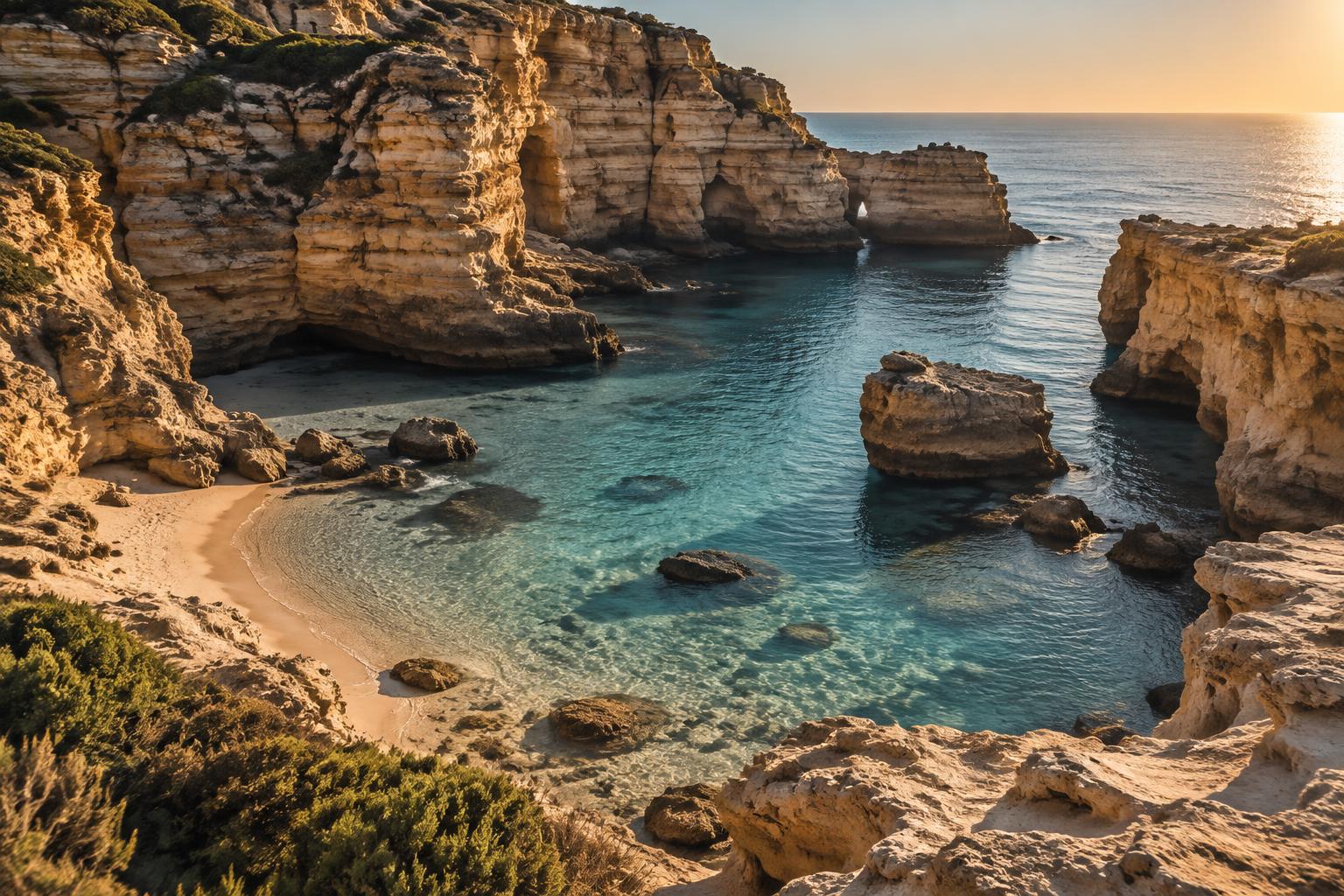
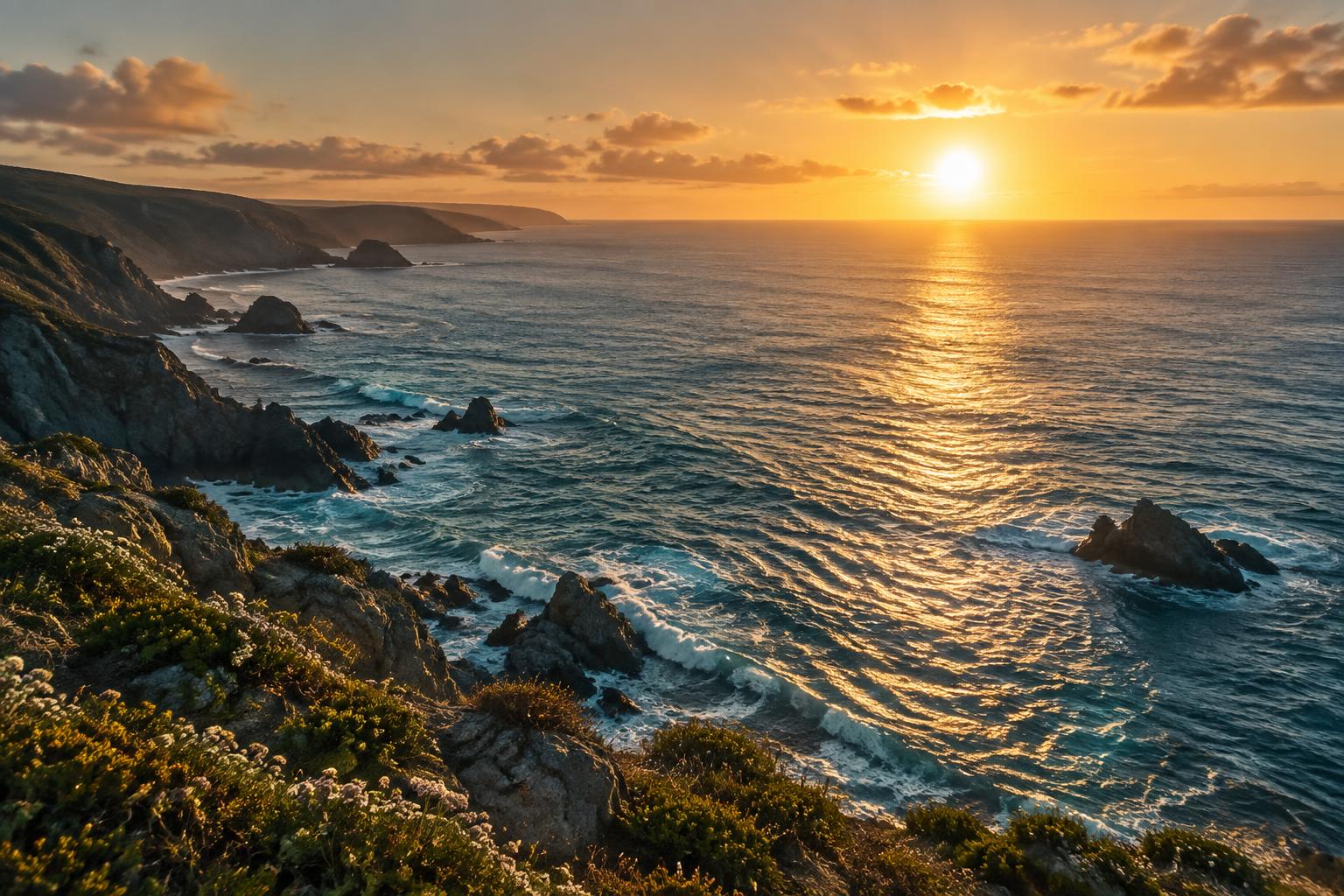
Golden hour in San Diego isn't a secret. What separates a decent sunset photo from a frame you'd print is knowing where the light lands, which direction you're facing, and when to show up. Here are seven spots that earn their reputation — and how to actually shoot each one.
1. Sunset Cliffs, Ocean Beach
The name isn't marketing. The cliffs face almost due west, so the sun drops straight into the ocean in front of you, and the sandstone goes from tan to amber to ember as it falls. Shoot silhouettes against the sky, or turn your subject to catch the last warm sidelight on the cliff faces. It's popular for a reason — arrive at least forty-five minutes before sunset to pick your spot, and stay for the twenty minutes after, when the sky does its second act and most of the crowd has already left.
2. Windansea Beach, La Jolla
Sculpted rock ledges, breaking surf, and the famous palm-covered surf shack make Windansea feel designed for a lens. The rocks give you natural leading lines and elevated angles without a hike. Wet rock catches golden light beautifully — just respect the ocean here; the surf comes up over those ledges faster than people expect.

3. La Jolla Cove and Coast Walk
The cove curves, which means you can shoot along the coastline instead of just out to sea — cliffs, water, and sky stacked in one frame. The coast walk trail above gives you elevation for wider shots. Sea lions and birds make unpredictable cameos. Golden hour here is soft rather than dramatic; it flatters skin tones, which makes it a favorite for portraits.
4. Torrey Pines Gliderport
Elevation changes everything. From the gliderport bluffs you're shooting down the coastline with the ocean stretched out below, and if the paragliders are out, you get moving subjects hanging in golden air. Bring a longer lens for the gliders and a wide one for the coast. The marine layer sometimes rolls in below the bluff, and when it does, it looks like shooting above clouds.
5. Crystal Pier, Pacific Beach
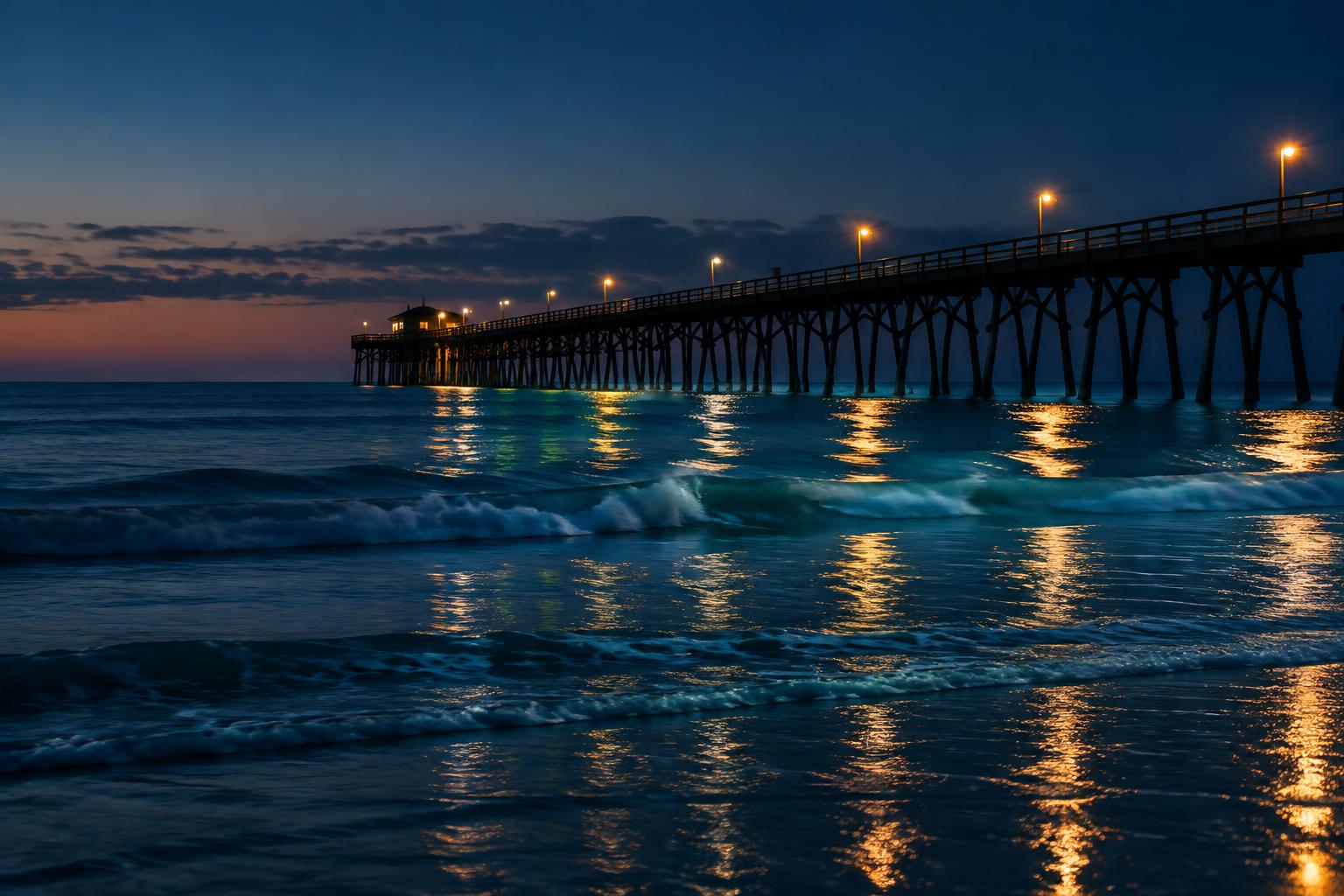
Piers give you what beaches can't: structure. The pilings create rhythm and leading lines, and at low tide the wet sand under the pier turns into a mirror. Shoot from the sand looking through the pilings toward the sun, and expose for the sky to get clean silhouettes. The cottages on the pier add a detail you won't find on most piers anywhere.
6. Coronado Beach
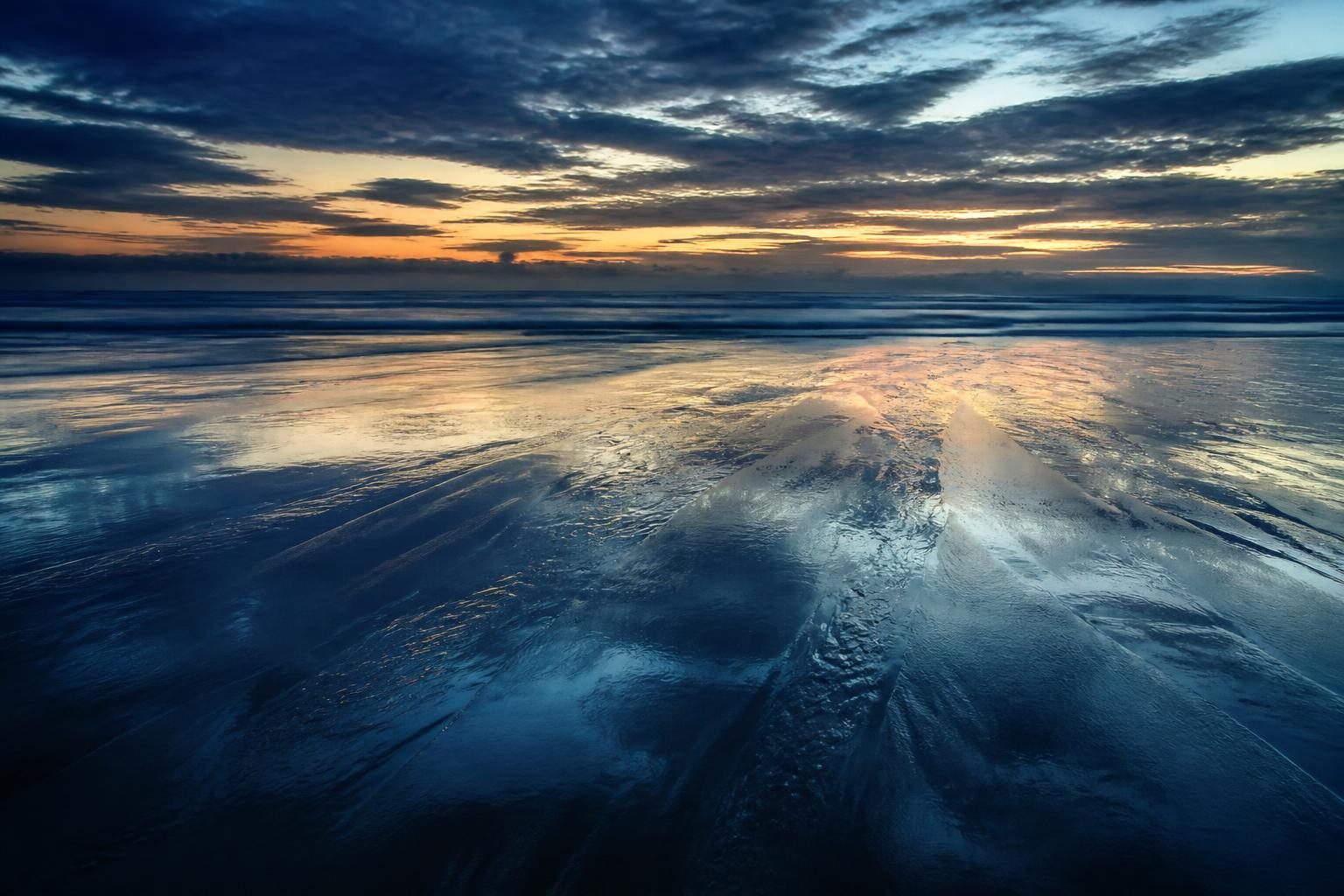
Wide, flat, and famously fine sand that holds reflections after every receding wave — plus the Hotel del Coronado's red turrets as a backdrop you can't build. This is the spot for space: long shadows, room to walk your subject along the waterline, and a shoreline that photographs clean in every direction. The flat beach means the light stays even; it's the most forgiving spot on this list.
7. Ocean Beach Pier
The longer, moodier cousin of Crystal Pier. The concrete structure reads bolder in silhouette, the OB neighborhood adds character at the entrance, and the sunsets here have a grittier, more cinematic feel than the postcard spots. Blue hour — the twenty or thirty minutes after the sun is gone — is when this one becomes special, as the pier lights come on against a deepening sky.
The habits that make all seven work
Show up early: the best spots fill well before the light peaks. Shoot both directions: everyone faces the sun, but the warm light landing on cliffs, faces, and buildings behind you is often the better photo. Stay through blue hour: the frame most people leave before is the one worth waiting for. Check conditions the day you go: tides, surf, and access rules change, and a two-minute check beats a wasted drive.
More location guides are coming — join the list below and you'll get them first.