Planning the date? Check your light window on the Shoot Planner.
The best winter beach photoshoot in San Diego happens on the afternoons when a minus tide lands within an hour of sunset. That is a winter pattern on this coast: around the king tides, the highest water comes in the morning and some of the lowest water of the year comes in the afternoon, right as the light gets low. This season the first set falls over Thanksgiving week, and on Nov. 25 and Nov. 26 the ocean is near its lowest point while the light is at its best. Here are the dates, how to read them, and how to plan the hour.
Why winter afternoons work so well here
Winter pulls golden hour into the middle of the afternoon. Sunrise-sunset.org lists sunset in San Diego at 4:49 p.m. on Nov. 12, 2026, and the earliest sunset of the year on Dec. 3, at 4:42 p.m. So the warm, low light that summer saves for after dinner shows up around 3:45 or 4 p.m.
That window lines up with the big winter low tides. When king tides hit last December, NBC 7 San Diego reported they would bring "some of the lowest tides of the year in the afternoon," with Scripps Pier predictions between -1.61 and -1.77 feet from 2:56 p.m. to 4:34 p.m. on Dec. 4 to 6, 2025.
For a creator, a minus tide at golden hour means sand that is usually underwater: wide wet flats that hold the sky, reef and tide-pool texture, room to stand under a pier, and a beach wide enough that your frame is not full of strangers. You can start at 3:30, wrap before 5:15, and still have the evening.
The 2026-27 king tide dates
The California Coastal Commission's King Tides Project lists this season's statewide dates as:
- Nov. 24 to 26, 2026
- Dec. 23 to 25, 2026
- Jan. 21 to 22, 2027
The Commission describes king tides as "the highest predicted tides of the year" and notes the predictions do not include storm surge, so real water levels can run higher than the chart. Treat the dates as your shortlist, then check the actual numbers for your spot.
Thanksgiving week, day by day
Here is what US Harbors' November 2026 tide table for La Jolla shows for the afternoon low and the sunset each day:
- Mon., Nov. 23: low of -1.1 ft at 2:21 p.m.; sunset 4:44 p.m.
- Tue., Nov. 24: low of -1.4 ft at 3:06 p.m.; sunset 4:43 p.m.
- Wed., Nov. 25: low of -1.5 ft at 3:55 p.m.; sunset 4:43 p.m.
- Thu., Nov. 26: low of -1.4 ft at 4:46 p.m.; sunset 4:43 p.m.
- Fri., Nov. 27: low of -1.1 ft at 5:41 p.m.; sunset 4:43 p.m.
How to read that list for a shoot:
Wednesday, Nov. 25 is the pick. It is the lowest water of the week, and it bottoms out about 50 minutes before sunset. The ocean is at its farthest point as golden hour starts and comes back slowly from there, so you get the exposed sand and reef first, then the softer light, without racing the water.
Thanksgiving Day puts the low right at sunset. The tide is still falling through golden hour, which means more wet sand every minute, the best setup for mirror reflections. If you can step away from the table for an hour, it is a strong second choice.
Tuesday and Friday split the difference. Tuesday's low comes early, so shoot reef and tide-pool frames first and save the portraits for the last light while the water rises. Friday's low lands after sunset, which suits blue-hour frames on open sand.
Skip the mornings that week for anything low-water. The same table shows high tides near 7 feet between 7:48 a.m. and 9:15 a.m. on Nov. 24 to 26. That is not the morning for under-pier frames or small pocket beaches.
What to shoot when the water pulls back
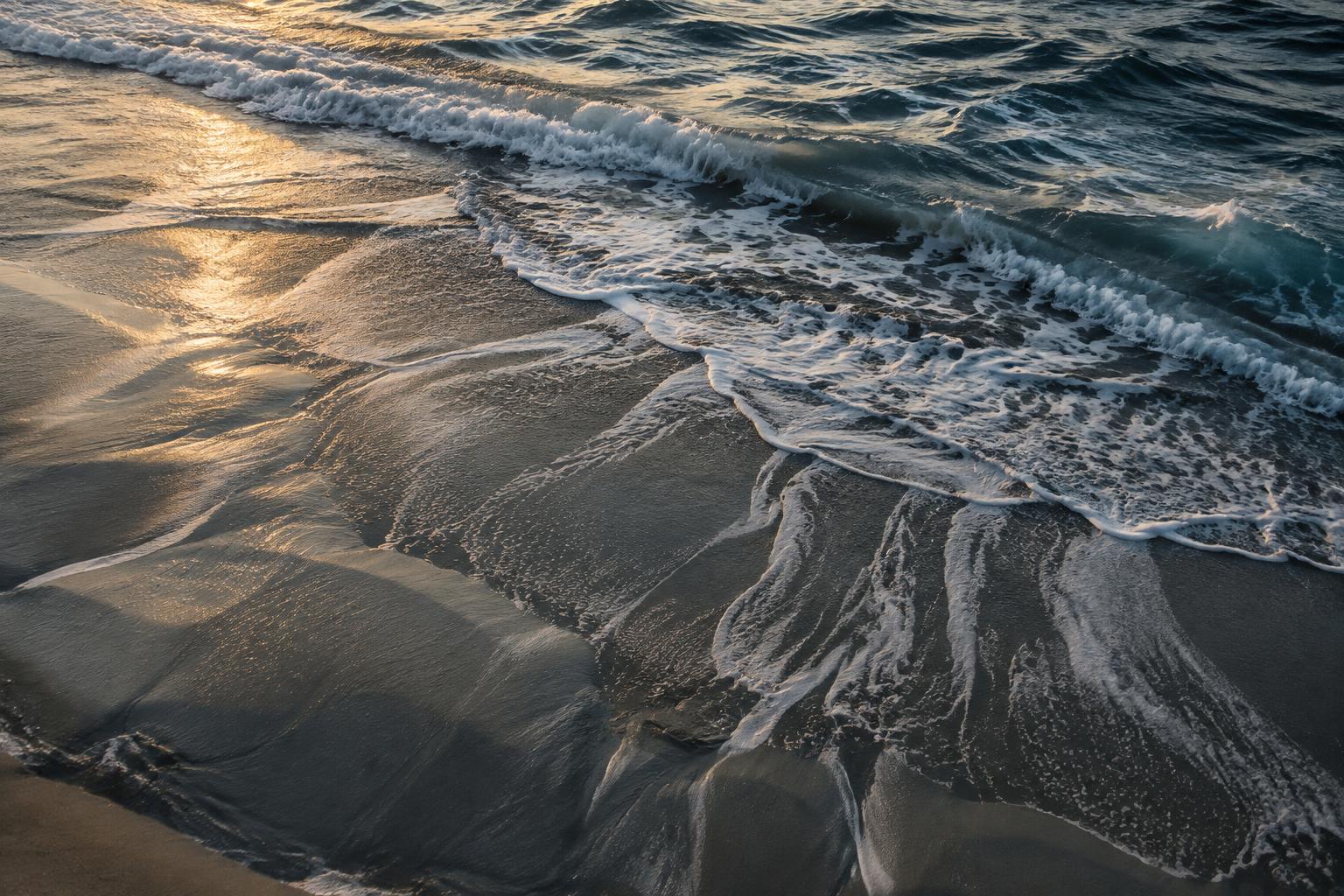
Mirror sand. Flat beaches like Coronado and Pacific Beach turn into reflecting pools on a falling minus tide. Put your subject at the edge of the wet sheet and shoot low so the sky doubles under her.
Reef and tide-pool texture. NBC 7 named the La Jolla tide pools, Cabrillo National Monument and Sunset Cliffs Natural Park among the spots where king-tide lows open up the pools. Rock shelves that are usually under water become a textured foreground.
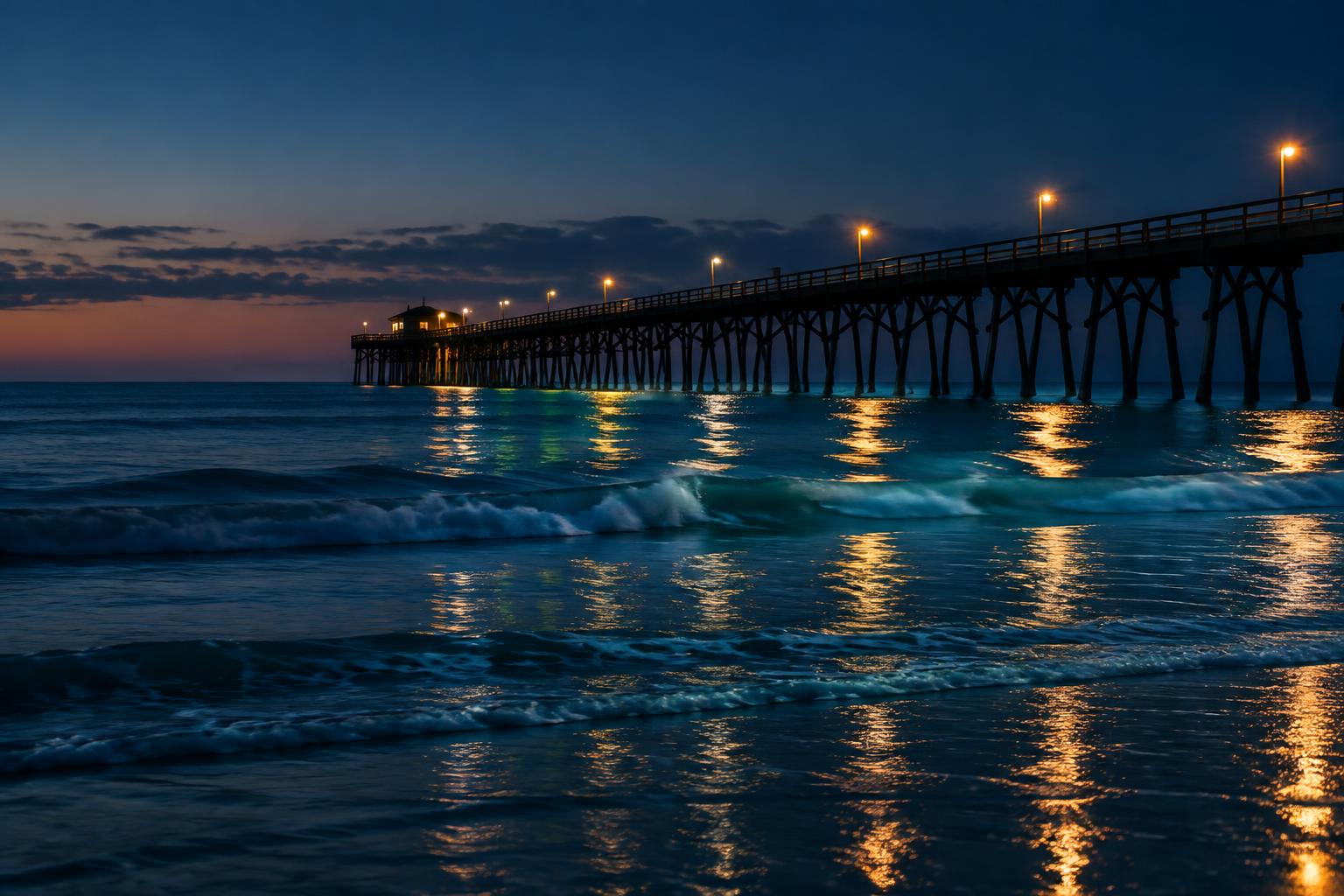
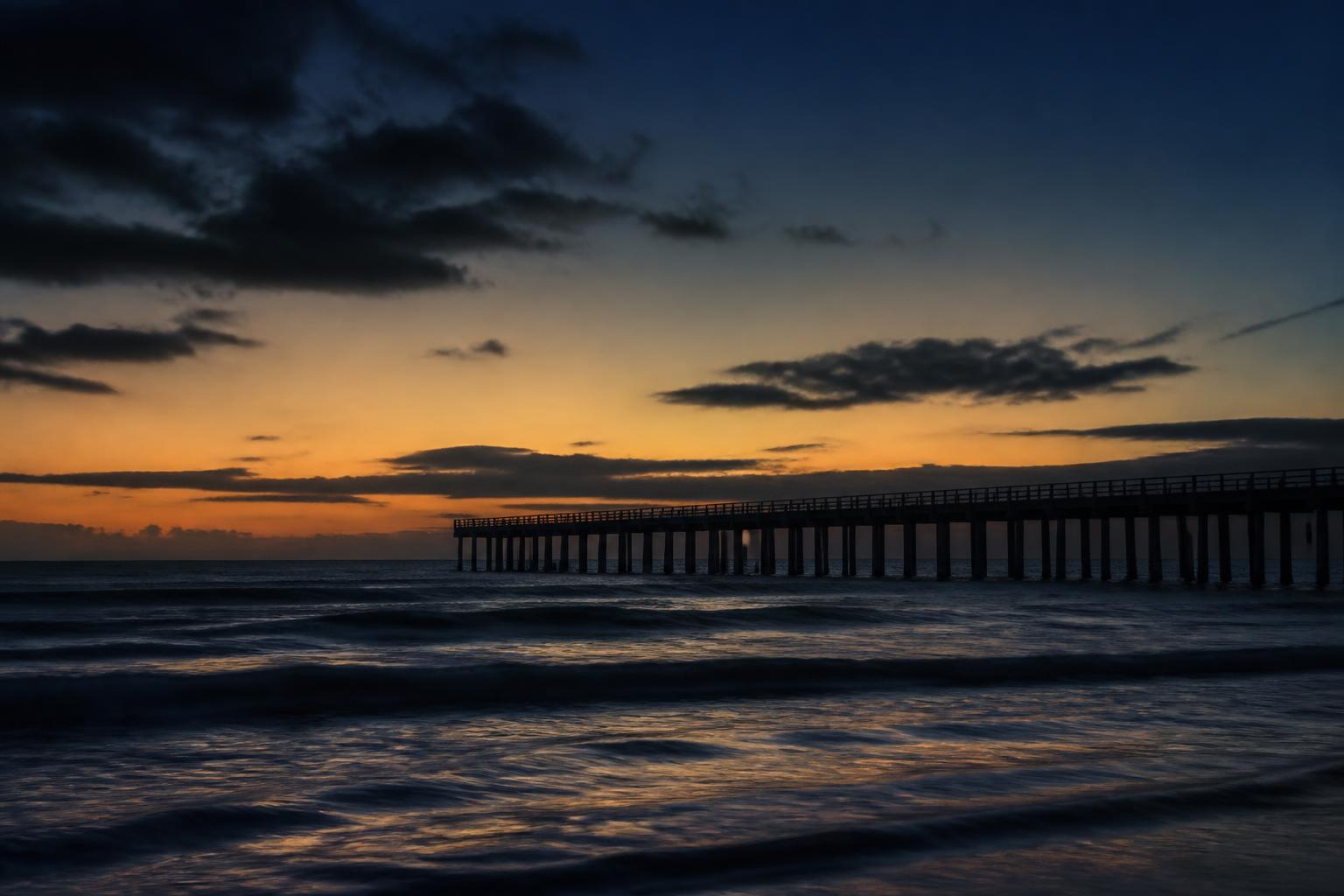
Through the pilings. Low water is what makes the under-pier frame possible at Crystal Pier and Scripps Pier. Our golden-hour spots guide covers how to shoot through the pilings toward the light.
One firm boundary: Point La Jolla and Boomer Beach are under a year-round City closure, low tide or not. Our San Diego photo shoot permit guide explains the closure and whose rules apply on each stretch of sand.
December and January: pull the numbers yourself
The Dec. 23 to 25 window sits on Christmas, and Jan. 21 to 22, 2027 lands midweek. We have not published tide times for those dates here because we only state numbers we have checked. Last December's afternoon lows suggest a similar pattern, but plan around the number, not the habit.
About a week out, open NOAA's predictions for the station nearest your spot (La Jolla is station 9410230), set local time and the MLLW datum, and look for a negative low within about an hour of sunset. If you have never read one, our guide on how to read a tide chart before a beach photo shoot walks through it in five minutes.
Stay safe on a minus-tide afternoon
The lowest tides come with the biggest swings, and the water does come back. Scripps Health's king-tide guidance is worth following on any of these days:
- Never turn your back on the ocean, even at low tide. Sneaker waves can run much farther up the beach than expected.
- Wear closed-toe, non-slip shoes on rock platforms. Change into the wardrobe shoes for the frame, then change back.
- Leave marine life alone, and keep your hands free when you move across rock.
The Coastal Commission adds two more: do not disturb shorebirds, and do not chase a shot you cannot get safely. Note the time of the low and agree on a turnaround point with whoever is shooting you, so nobody is wading back with a camera bag.
Plan the hour in five minutes
1. Pick your date from the list above, or find a negative afternoon low in December or January.
2. Open the Shoot Planner, set that date and note the evening golden hour, sunset and blue hour.
3. Check the tide height and direction for that window at the nearest station.
4. Choose a spot that matches the water: flat sand for reflections, rock shelves for texture, a pier for the pilings.
5. Check surf, weather and any closures the day you go.
Winter is the easiest season to shoot the coast on a weekday afternoon, and this month hands you the setup. Start with the free Shoot Planner to lock your light window for Nov. 25.
If you are building a real business around your shoots, create a free profile in the Coastal Beauties directory. And join the list below. New guides from the Southern California coast land in your inbox first.