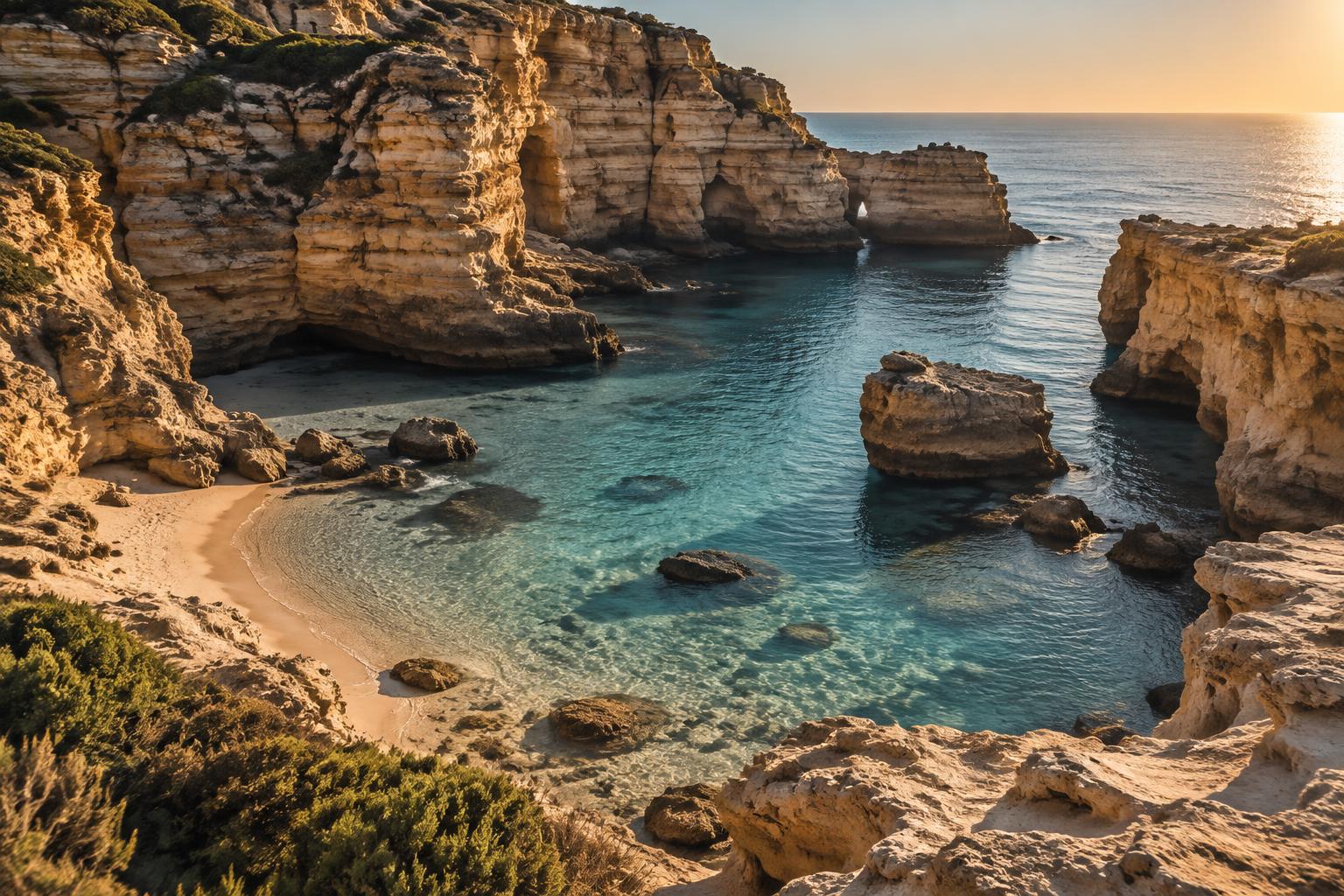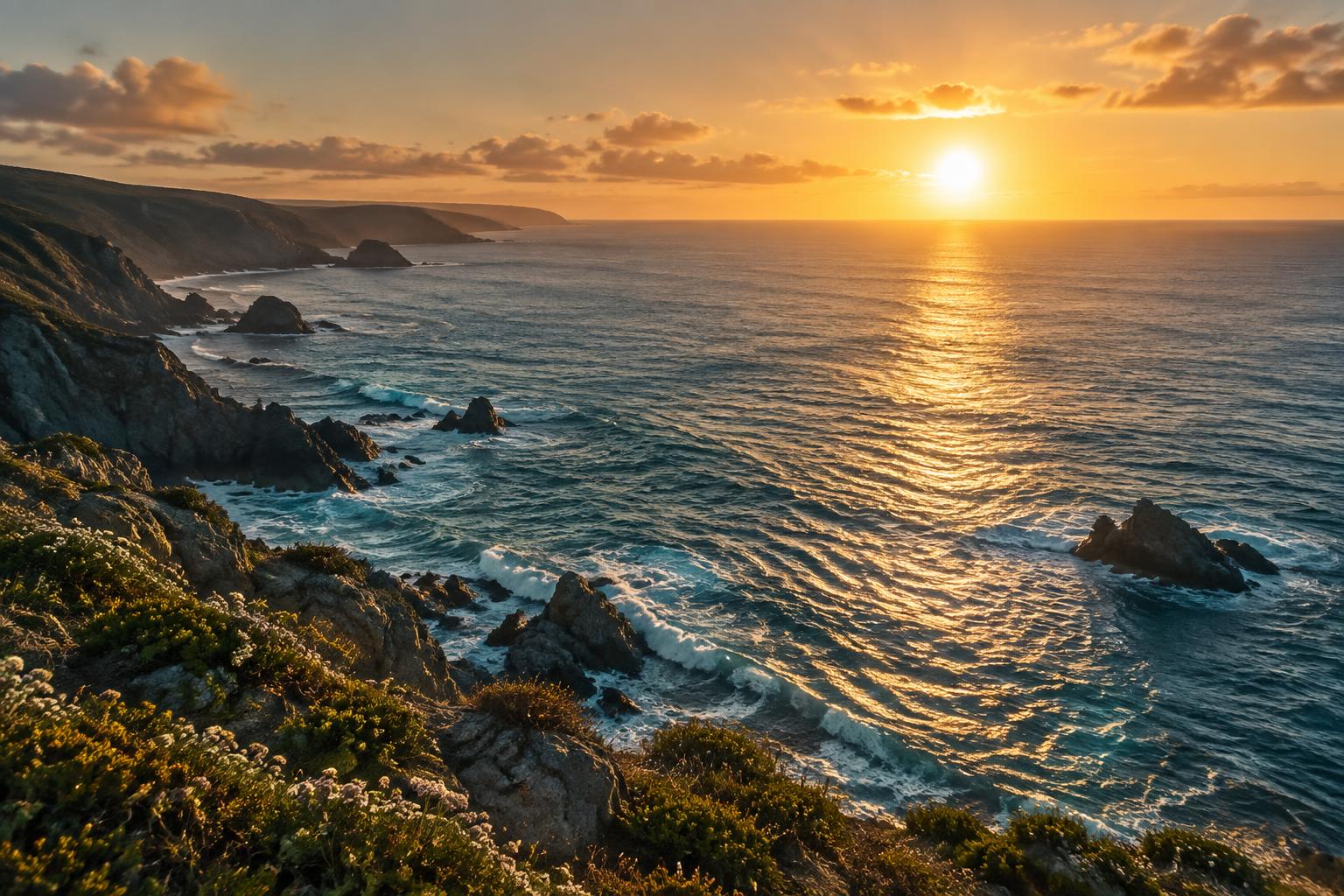
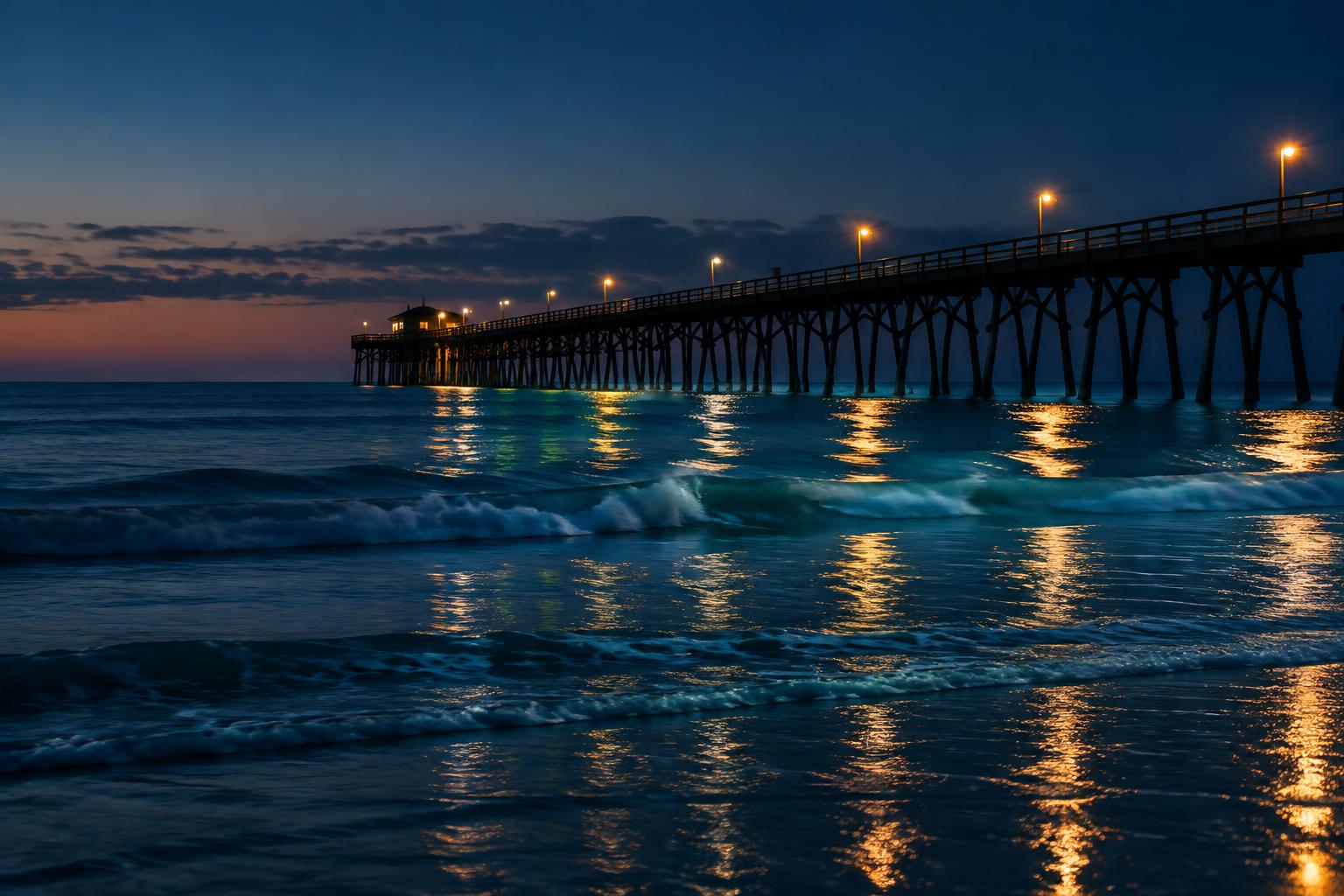
Watch any San Diego sunset spot and you'll see the same thing: the sun touches the water, phones come out, the sun disappears, and within ten minutes the beach is half empty. Everyone leaves at intermission. The second act — blue hour — is the twenty to forty minutes after sunset when the sky turns deep and even, and it quietly produces better photographs than the sunset itself.
Why the light is better
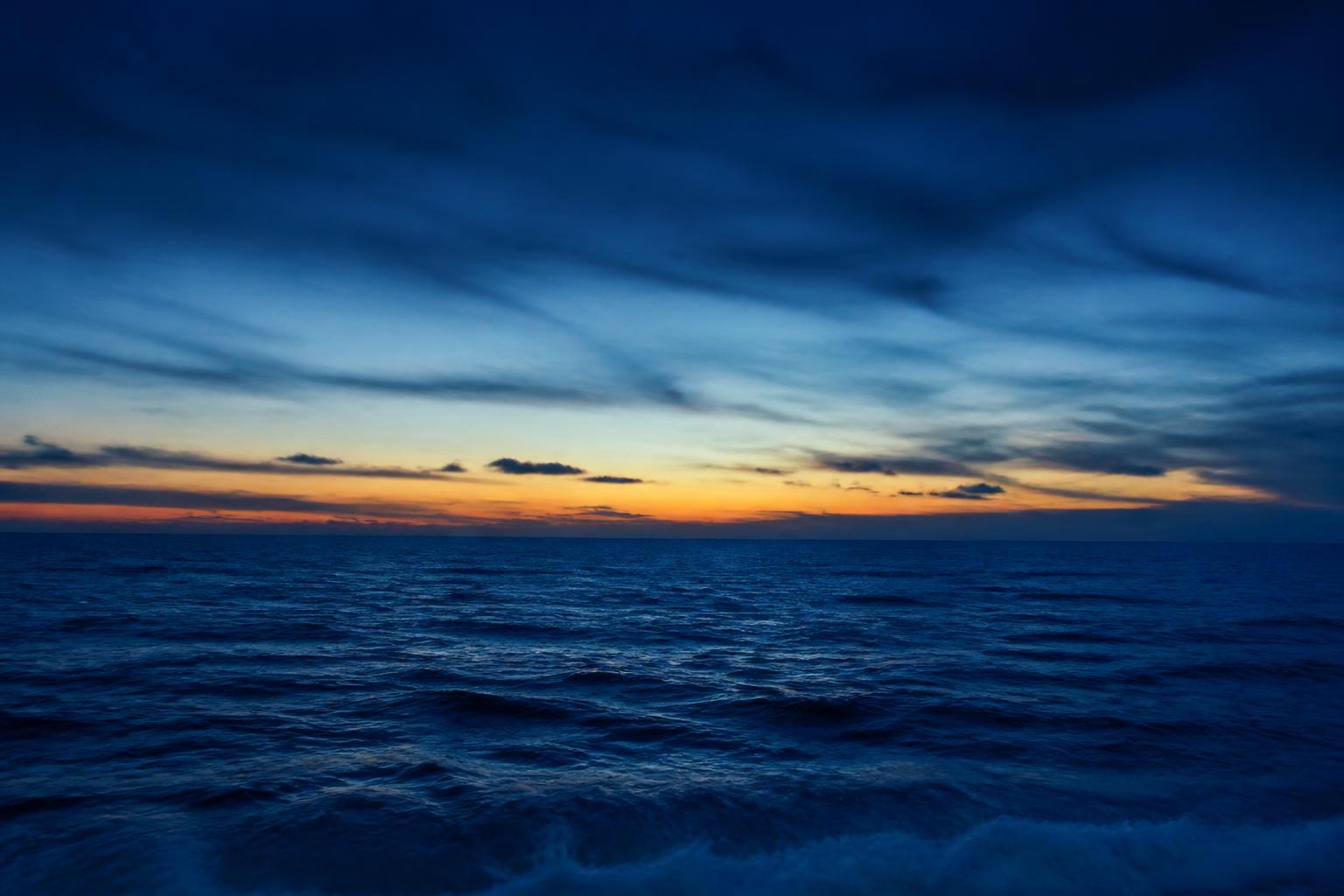
At sunset, the scene fights itself: a blazing sky against dark land, more contrast than any camera handles gracefully. After the sun drops, the sky becomes one enormous soft light source — even, directionless, deep blue — and suddenly everything balances. Skin tones go smooth. Water turns to silk. And the artificial lights — pier lamps, storefronts, headlights, the city skyline — switch on and glow warm against all that blue. That warm-against-cool contrast is the entire look, and nature runs it for you every single night.
Where it hits hardest here
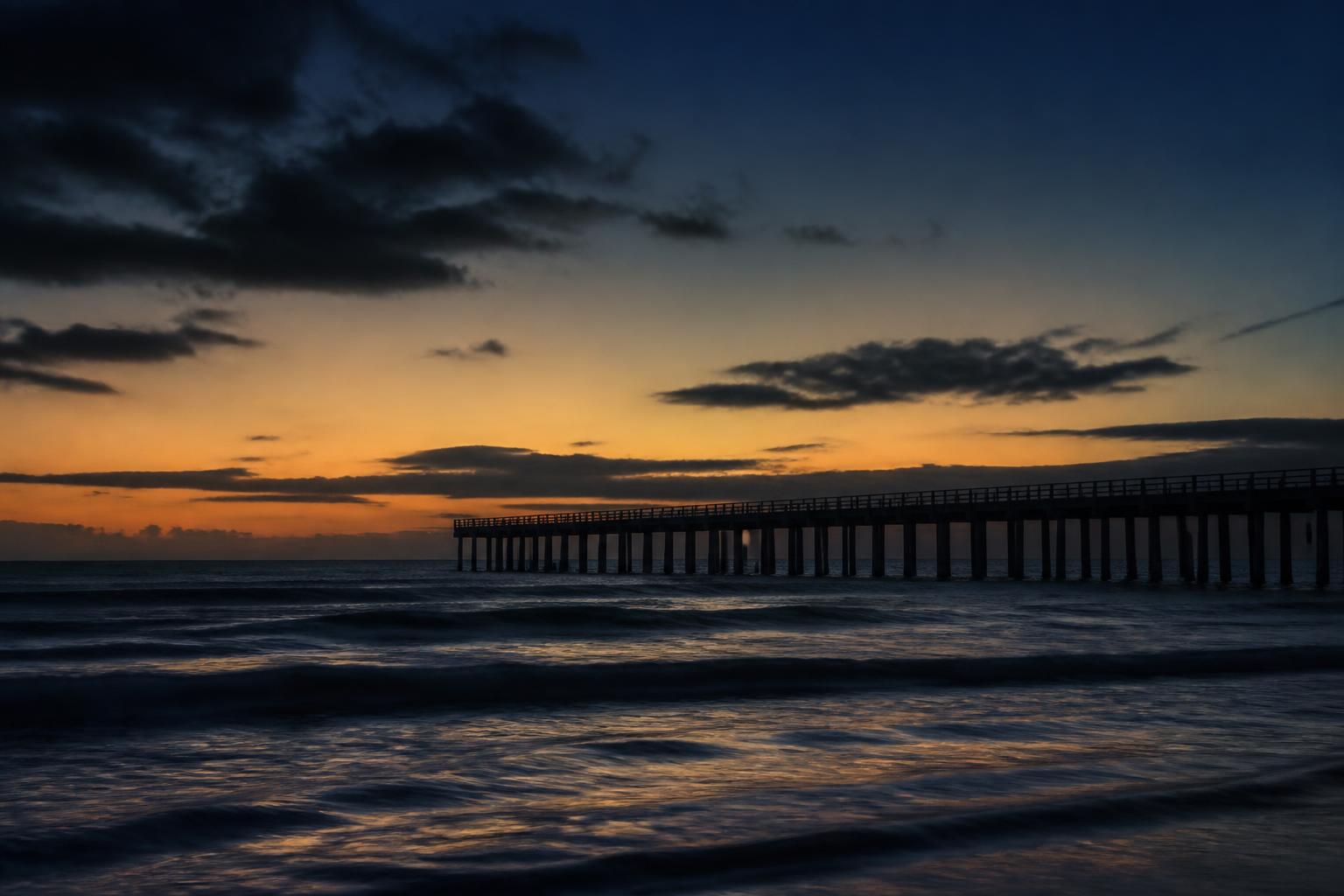
Piers own blue hour: the lights come on along Ocean Beach and Crystal Pier and the structures turn from silhouettes into glowing lines over dark water. Cliffs trade drama for mood — Sunset Cliffs after the crowd leaves is a different, quieter place. And anywhere the skyline enters the frame, blue hour is when the city actually performs: enough sky color to give the buildings a backdrop, enough darkness to let the windows shine.
How to shoot it
Light is scarce, so stillness is everything. Brace the camera — a tripod if you have one, a railing or a wall if you don't — and let the exposure run longer instead of forcing the brightness up. Phones handle this better than most people realize: night mode is built for exactly this window, and holding truly still is most of the skill. Shoot wide open at the water and the moving waves blur into mist on a longer exposure — the effect everyone assumes needs expensive gear mostly needs patience and a steady surface.
The rhythm of the window
Blue hour has its own arc: the first ten minutes still carry a little sunset warmth on the horizon, the middle stretch is the deep even blue, and the last minutes fade toward plain night. Arrive already set up — the window doesn't wait — and work through it, because the frame changes every five minutes. Then pack up in the dark with the shots everyone else left before.
The habit is simple: whatever you came to shoot at sunset, stay thirty more minutes. That's where the frames nobody else has are hiding. Join the list below for more of the coast, in every light.