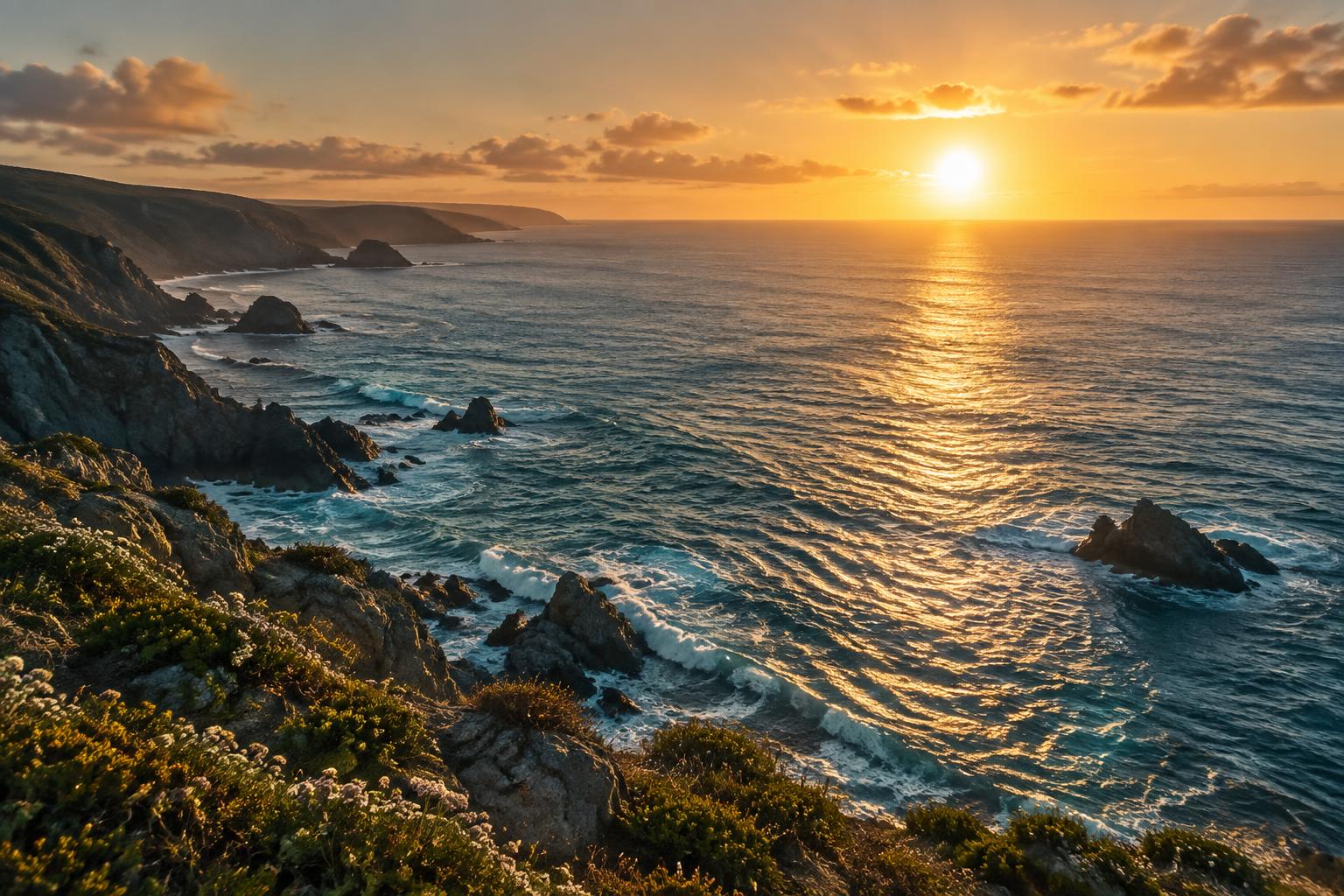
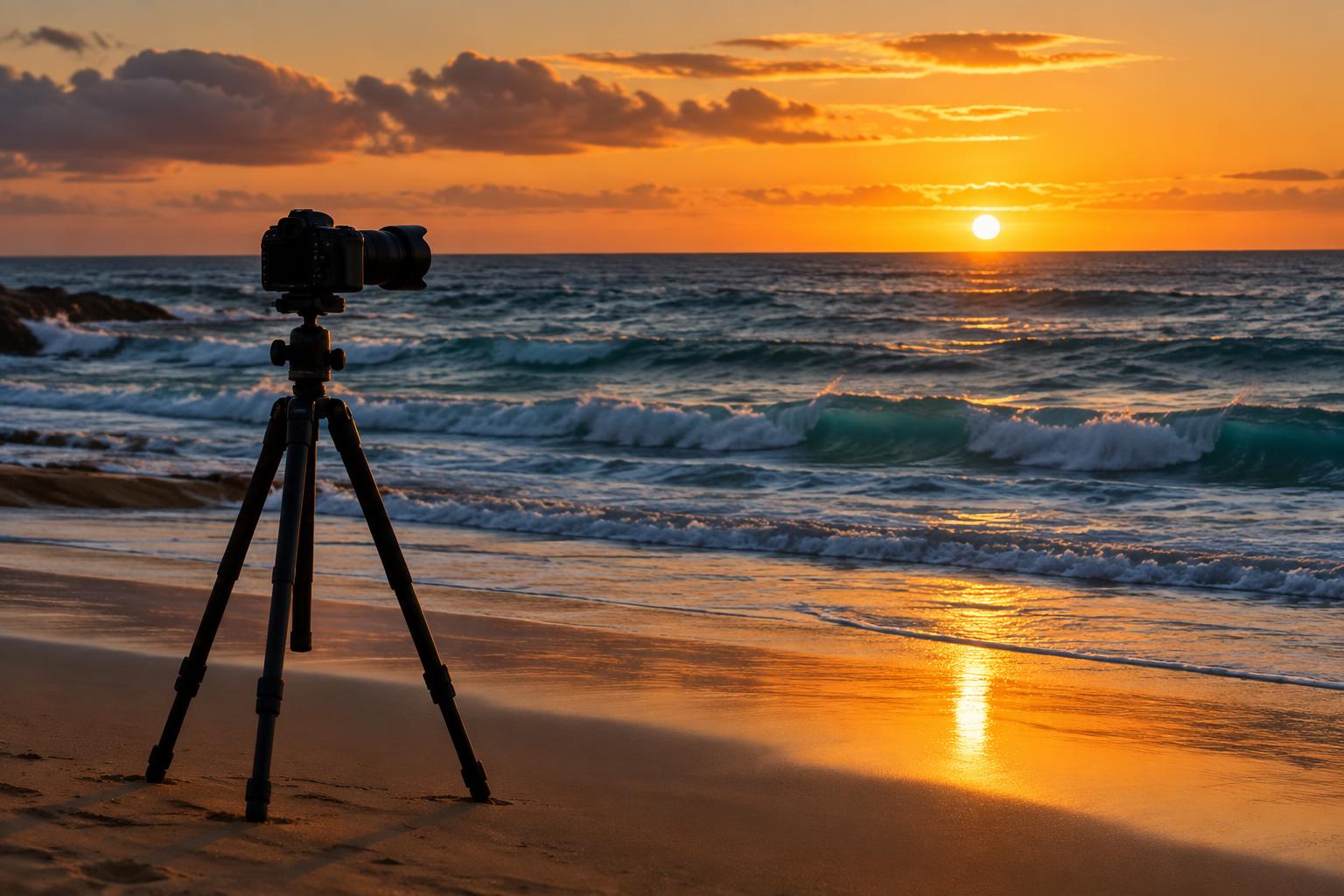
The best coastal images look effortless — a person, the light, the water, as if someone just happened to be there. Nobody just happened to be there. Behind almost every frame like that is a plan that started days earlier. Here's how a coastal shoot actually comes together.
Start with the light, then the tide
The location doesn't pick the time; the light does. Decide whether the shoot wants golden warmth, soft blue hour, or clean midday for water color — then work backward to a call time, arriving at least an hour before the light peaks. Then check the tide, because on this coast the tide decides what exists: the sand under a pier, the width of a pocket beach, whether a rock ledge is a platform or a hazard. Light and tide together choose your spot for you — a place like La Jolla is five different locations depending on both. In autumn, add a third variable: a Santa Ana wind strips the haze off this coast and hands you the hardest, clearest light of the year.
Build a shot list, then plan to abandon it
Write down the five frames the shoot exists to get — the ones that, if you get nothing else, make the evening a success. Scout the spot in advance if you can, even virtually. Then hold the list loosely: the coast improvises — a marine layer, a wave set, an unplanned reflection — and the best frame of the night is often the one nobody wrote down. The list isn't a script; it's the safety net that frees you to chase the accident.
Pack small, move fast
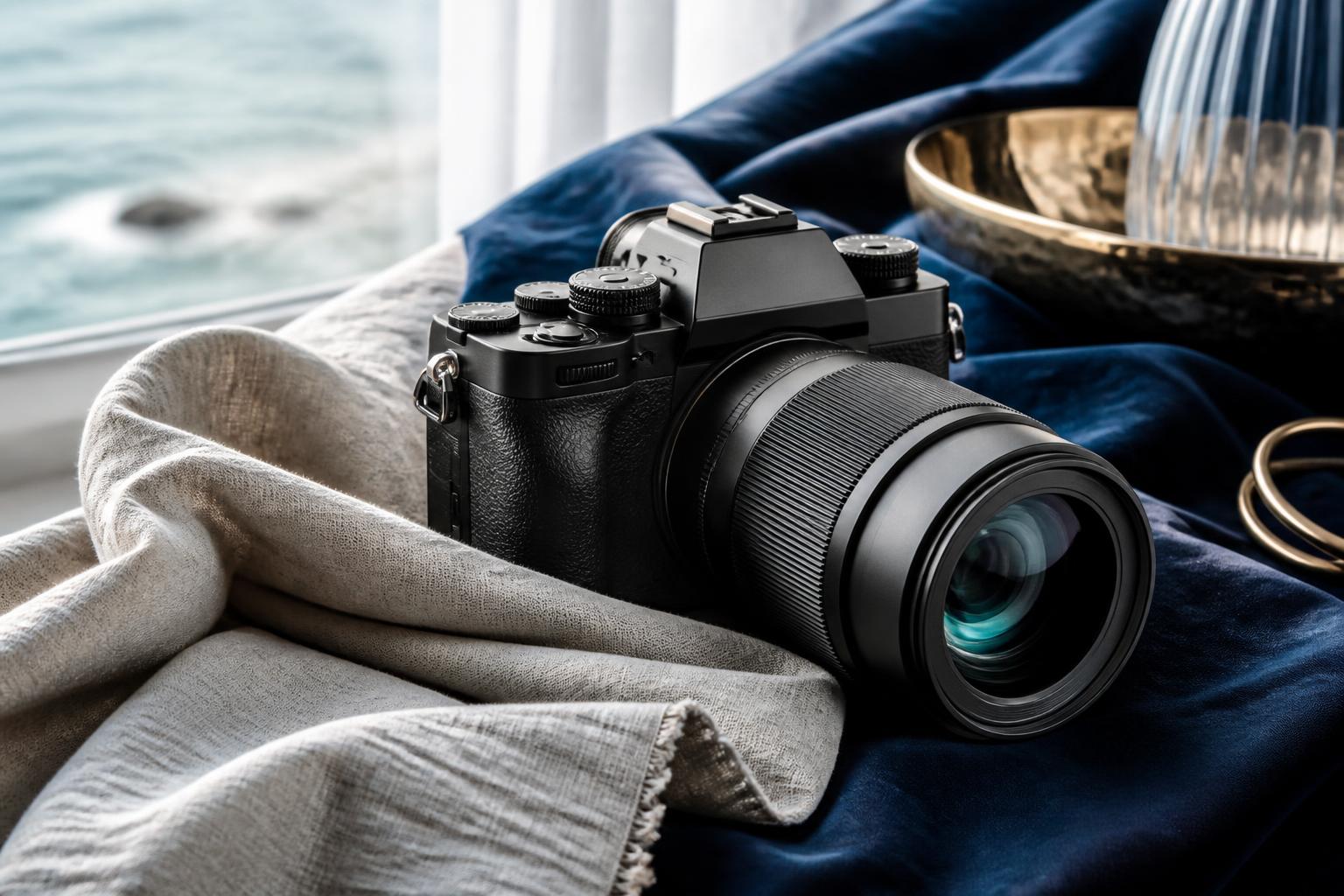
Sand, salt spray, and fading light punish big setups. The working coastal kit is lean: the camera, one or two lenses, a reflector — one person holding a reflector at golden hour replaces a van of lighting gear — towels, lens cloths, water, and layers, because this coast drops ten degrees the moment the sun does. Everything carried in one trip, because the light won't wait for a second one.
Run a set people want to return to
This is the part that separates professionals from people with cameras. Everyone on set knows the plan before arriving: the looks, the locations, the timing, what's being shot and what it's for. Nothing gets sprung on anyone mid-shoot. Check in as you go, show frames along the way, and treat comfort as part of the job — cold, crowds, and wardrobe logistics are production problems to solve, not things to push through. The photos are one product of a shoot; the other is whether everyone involved would work with you again. On this coast, where the same faces cross paths for years, that second product compounds.
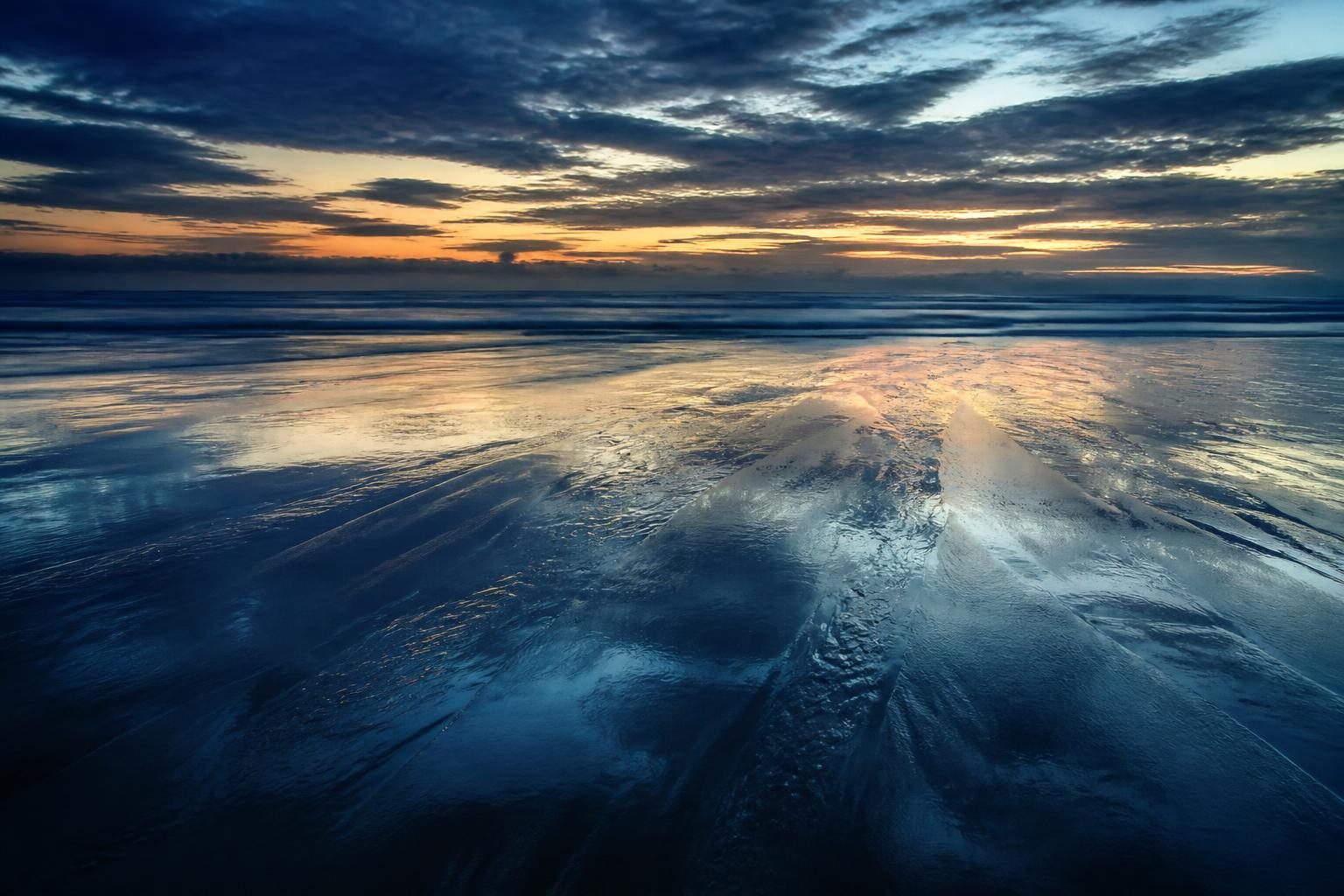
The quiet last step
Before leaving: the wide shot you didn't plan, one more pass for anything left on the sand, and a thank-you to everyone who made it happen. Then the real work — the edit — starts warm, because the set ended well.
This is the craft lane of the blog: how the images get made, and the people who make them. Photographers and collaborators — say hello through the contact on the site, and join the list below.