Behind the FrameSeptember 21, 2026
How to Shoot the Coast During Santa Ana Winds
Santa Ana winds strip the marine layer off this coast and hand you the clearest air and hardest light of the year. How to plan the shoot around them — timing, exposure, wardrobe, grit, and fire weather.
Coastal Beauties Editorial
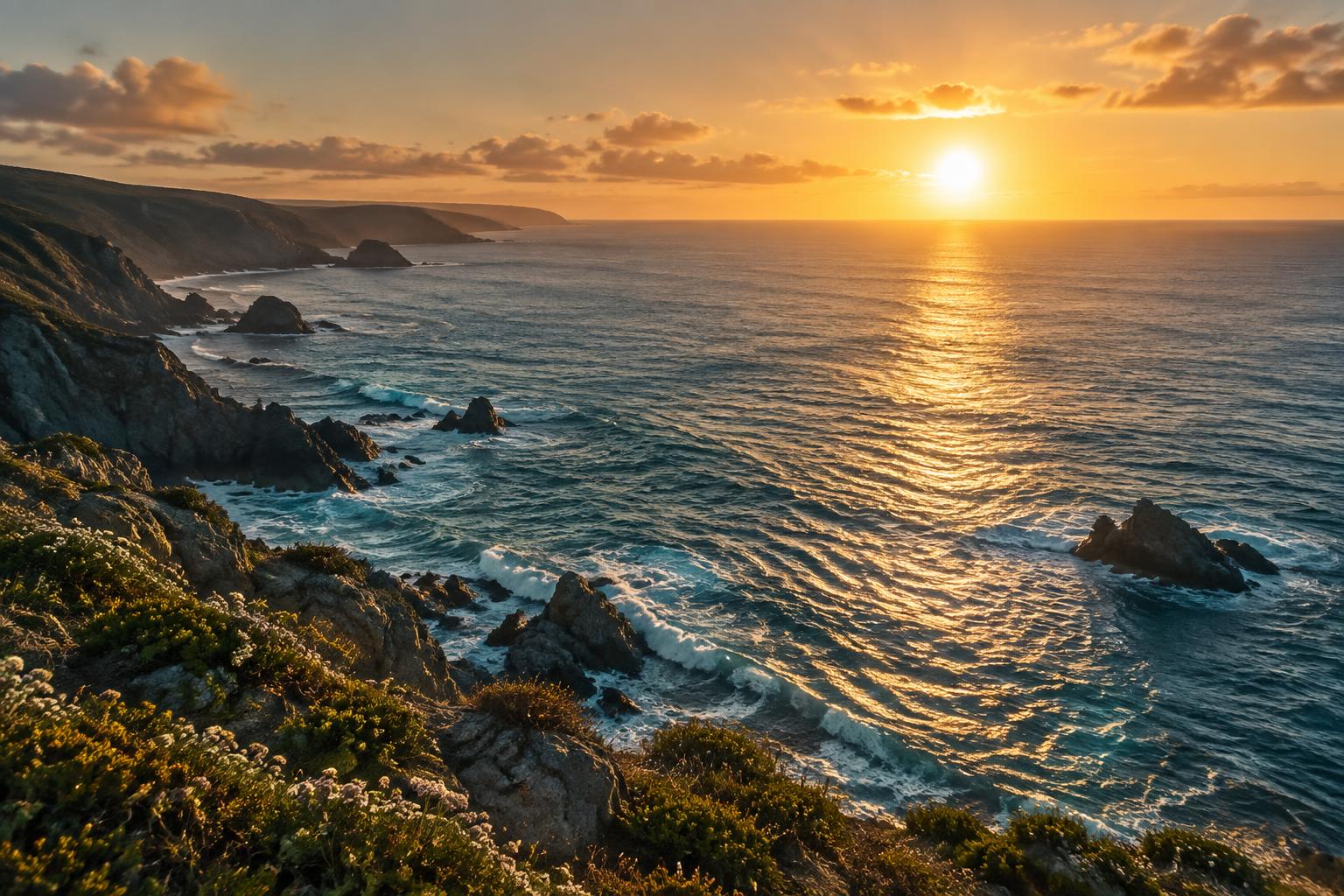
Santa Ana winds hand this coast its clearest air and its hardest light of the year, and they do it in autumn — right when the marine layer that has been softening everything since May finally gets shoved out to sea. If you want to shoot the coast during Santa Ana winds, the short version is: go in the morning, expose for the highlights, solve the hair before you solve the frame, and check the fire weather before you check the light. Here is the longer version.
A Santa Ana is the coast running backwards
Most of the year, air moves onto this coast from the ocean: cool, damp, hazy, forgiving. A Santa Ana reverses it. High pressure builds over the Great Basin — Nevada and part of Utah — and the clockwise flow around that high pushes air into Southern California from the northeast and the east, as the Santa Ana winds FAQ maintained by UCLA's Department of Atmospheric and Oceanic Sciences describes it. That air has to fall several thousand feet to reach the water, and dry air warms as it descends — close to 30°F per mile of drop. It shows up hot and it shows up parched, with relative humidity the same FAQ notes often registering below 10%. The season runs September through May, and October is the month that earns the headlines.
It does not arrive evenly. The FAQ describes the flow behaving like a mountain gap wind, picking up speed as it is channeled through passes and canyons — which is exactly why one beach can be unworkable while another twenty minutes up the coast is nearly still. Wind here is a local question, not a regional one — check the spot, not the county.
The light changes because the diffuser is gone
The marine layer is the coast's built-in softbox. Offshore flow dismantles it: the National Weather Service's own explainer on marine layer clouds notes that strong winds aloft "can mix in drier air also leading to more evaporation" of the cloud deck. During a Santa Ana the whole system loses the moisture it runs on.
What is left is air with almost nothing suspended in it, and that changes every value in the frame. Distant headlands that normally read as grey suggestions resolve into ridgelines. Shadows go genuinely black instead of filling themselves in. Edges harden, the sky deepens, and the horizon gains detail it does not have in June.
The trade-off is real and worth knowing before you arrive: haze is what makes a sunset spread. Clean, dry air tends to give you a shorter, more concentrated burn near the horizon rather than a sky that glows for twenty minutes. Plan for a tighter window and be in position early — the same discipline covered in how a coastal shoot actually comes together.
Shoot the morning, because the wind usually turns
The local pattern surfers here plan around is the one photographers should borrow: offshore in the morning, switching onshore through the afternoon as the sea breeze re-establishes. Go Surfing San Diego describes it plainly — a good offshore day in the morning will turn onshore in the afternoon as the wind changes.
That matters for more than water texture. On a west-facing beach, offshore wind is coming from behind the camera and blowing out to sea. Hair streams away from the face instead of across it. Loose fabric trails seaward instead of wrapping. It is the one wind direction that works with a portrait rather than against it, and it is generally a morning asset. By late afternoon you are often back to onshore wind pushing everything into your subject's face.
If you are shooting evening anyway, put the subject so the breeze crosses over a shoulder rather than straight into them.
Expose for the highlights, because there is no fill
Humid coastal air scatters light into the shadows for free. Santa Ana air does not, so the scene carries more range than the sensor wants and the shadows bottom out faster than they look like they will through the viewfinder.
Meter for the brightest thing you cannot afford to lose — usually skin in direct sun, or the sky right above the water — and let the shadows sit low, knowing you will lift them in the edit. Then add back the fill the atmosphere is not providing. One person holding a reflector at golden hour does more work on a Santa Ana day than on any other day of the year.
The wind is a wardrobe and grit problem too
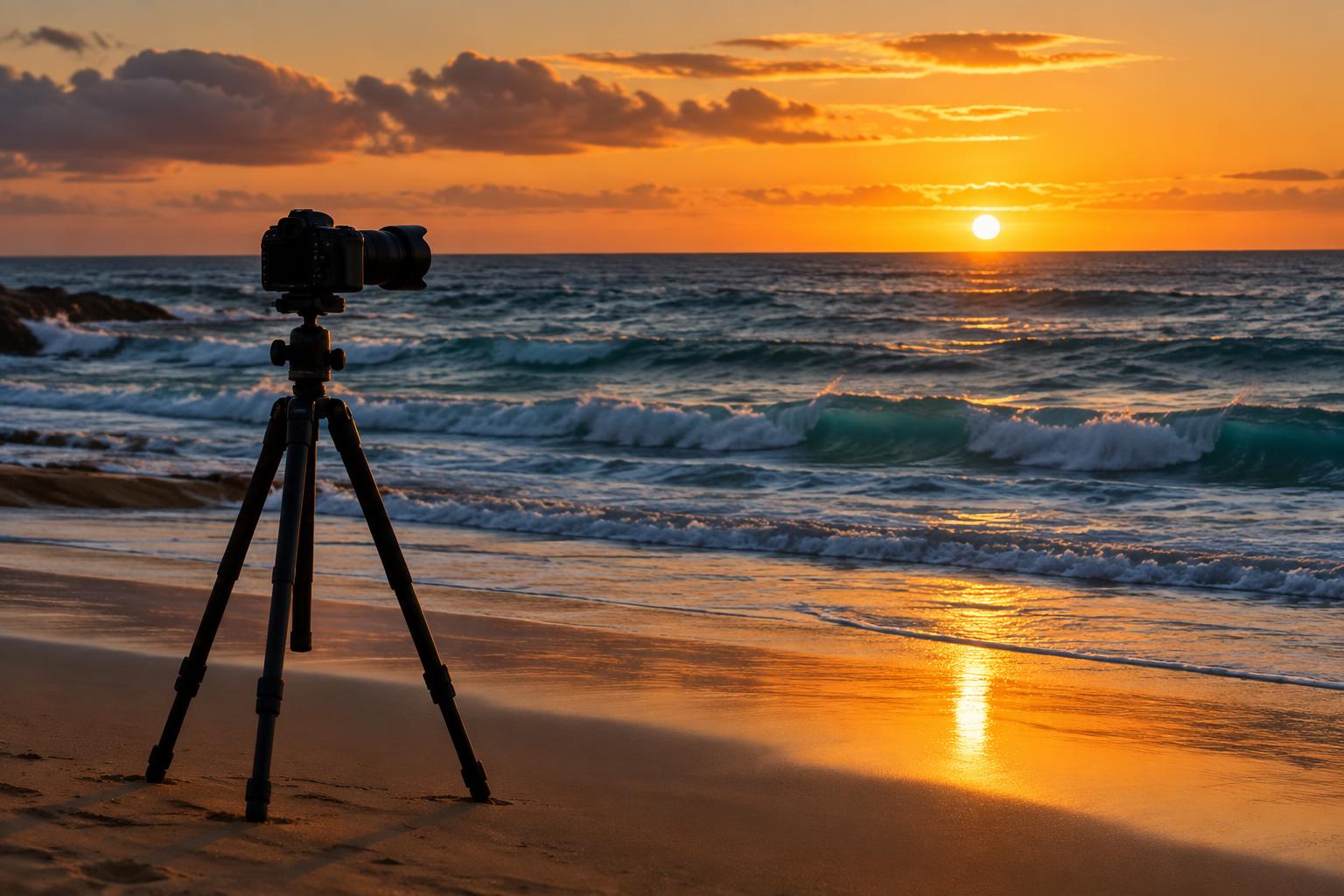
Dry offshore wind moves sand, and sand moves into everything. Change lenses inside a bag or a car rather than on open beach. A tripod at full height is a sail in gusts — get it low, hang weight off it, or leave it behind. Keep a filter on the front element and treat lens cloths as consumable.
The dryness is its own production issue: lips, eyes, and static all suffer, and early mornings during these events can still be cold even when the afternoon runs hot. Anything loose in wardrobe becomes a kite — either the shot or the problem, depending on whether you chose it.
Fire weather decides whether you go at all
This is the one risk worth a paragraph. A Santa Ana event frequently arrives with a Red Flag Warning, which the National Weather Service glossary defines as "a term used by fire-weather forecasters to call attention to limited weather conditions of particular importance that may result in extreme burning conditions." It is issued when dry fuels line up with sustained wind and low humidity; individual forecast offices set the local thresholds, and San Diego County's are set by NWS San Diego.
For a shoot, that translates into access. Canyon and trail routes can close, smoke can move in from somewhere else entirely, and parking and road situations can change with little notice. The move is not to cancel — it is to aim differently: keep beach-level, road-accessible locations on the list during a Red Flag event, and save the canyon-hike frames for a calmer week.
The frames only a Santa Ana gives you
Build the shot list around what this wind is uniquely good for:
**Long-lens compression.** Clear air is what makes a 200mm frame of stacked headlands read as layers instead of mush. Most of the year this coast will not give you it.
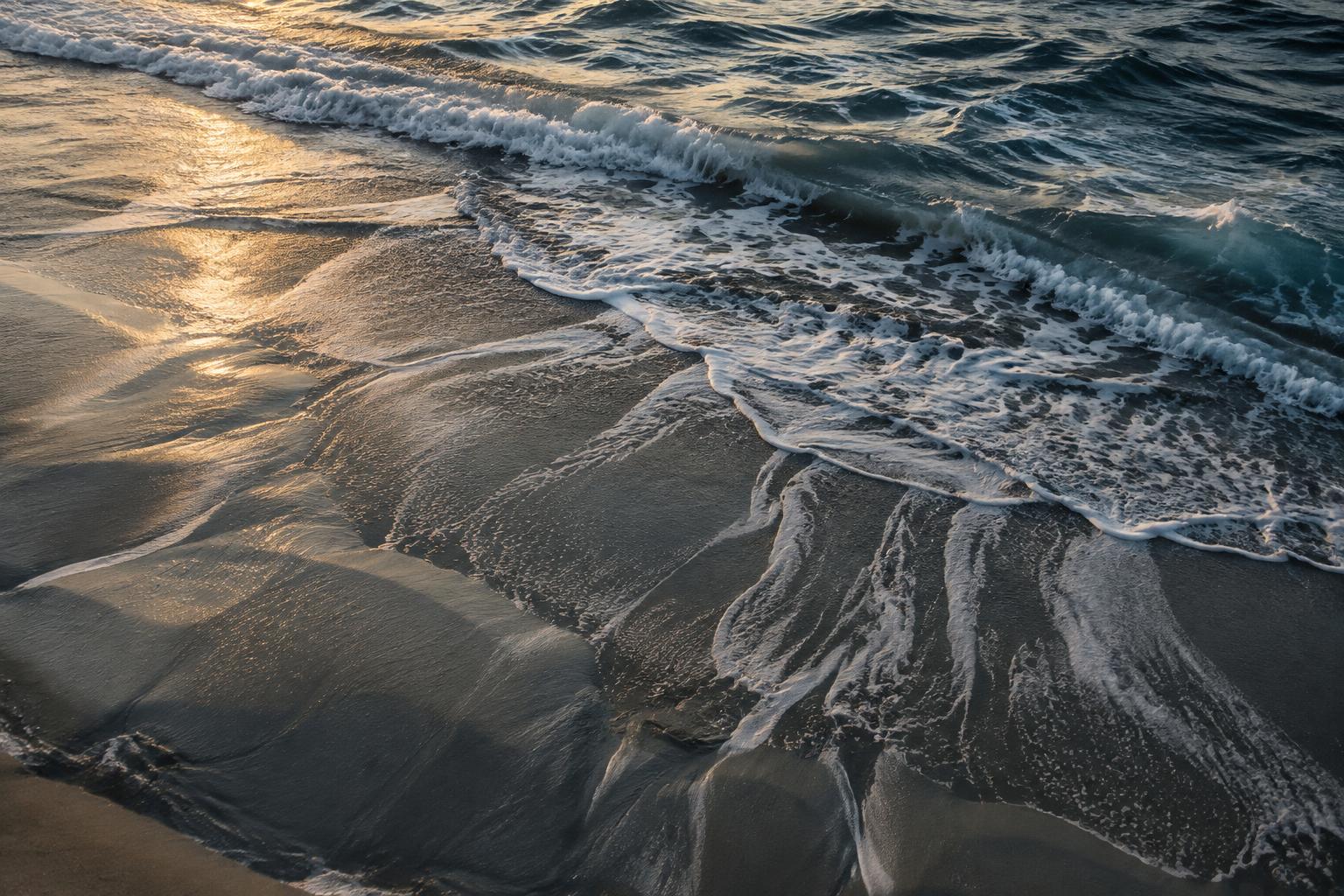
**Backlit spray.** Offshore wind holds the lip of a wave up and keeps the face smooth, as Go Surfing San Diego puts it. Backlit, that held lip throws a line of spray off the back of the wave that a light onshore day simply does not produce.
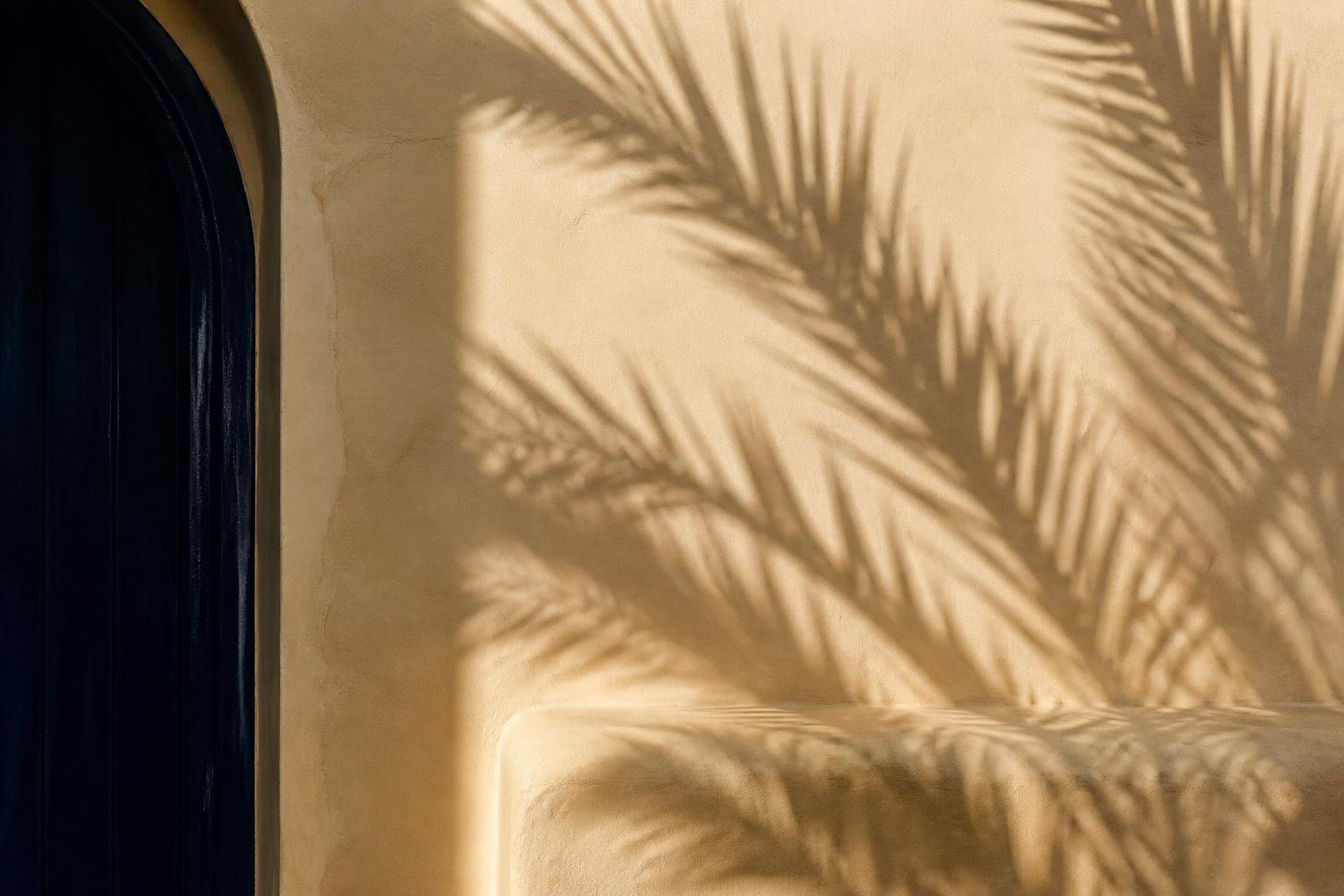
**Hard-edged shadow graphics.** No diffusion means shadow shapes with real edges — fronds, railings, and rooflines drawn on sand and stucco.
Where to point it this month
Past the September equinox the sun sets south of due west and keeps sliding south through December, which quietly rewrites west-facing locations — bluffs that framed the sun cleanly in July now drop it off the end of the cliff line. Re-scout before you assume. The spots in the seven best golden-hour spots in San Diego are still the spots; the angles have moved.
Check two things before committing a call time: the Shoot Planner for the light window on your date, and the tide, because the water level still decides what ground exists — the three numbers are in how to read a tide chart. Wind tells you how the air behaves. Tide tells you whether there is anywhere to stand.
A Santa Ana is a handful of days a year when the coast gives up its haze and shows you the whole thing at once. Watch for one, keep a location list ready, and go early.
Want the next one in your inbox before it arrives? Join the Coastal Beauties list below — coastal light, craft notes, and where the frames are.